






Localized fertilization: precision, efficiency and sustainability
Today, agriculture must address two crucial challenges: increasing crop productivity and reducing the environmental impact of farming practices. In this context, localized fertilization with microgranules from the MICROGRANULI line by K-Adriatica, a fertilizer company based in Loreo, represents a sustainable and efficient strategy.
What is localized fertilization and what are its advantages?
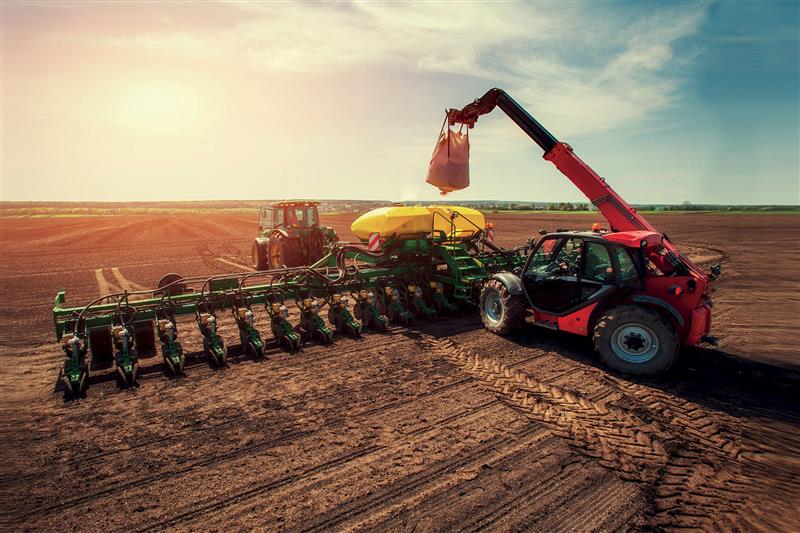
Localized fertilization consists of applying fertilizers directly in the seed furrow or in close proximity to the seed/transplant. This approach allows:
- Immediate nutrient availability for the plant, promoting rapid early development (starter effect);
- Reduced nutrient losses (through leaching, volatilization, or immobilization) thanks to targeted placement;
- Improved germination uniformity and reduced risk of phytotoxicity;
- Lower application rates compared to conventional fertilization.
Unlike broadcast fertilization, localized fertilization concentrates nutrients near the root zone, reducing waste and risks (e.g., salinity-related issues). Moreover, combining fertilization and sowing in a single pass optimizes time, costs, and equipment wear.
Why are K-Adriatica MICROGRANULI the best choice?
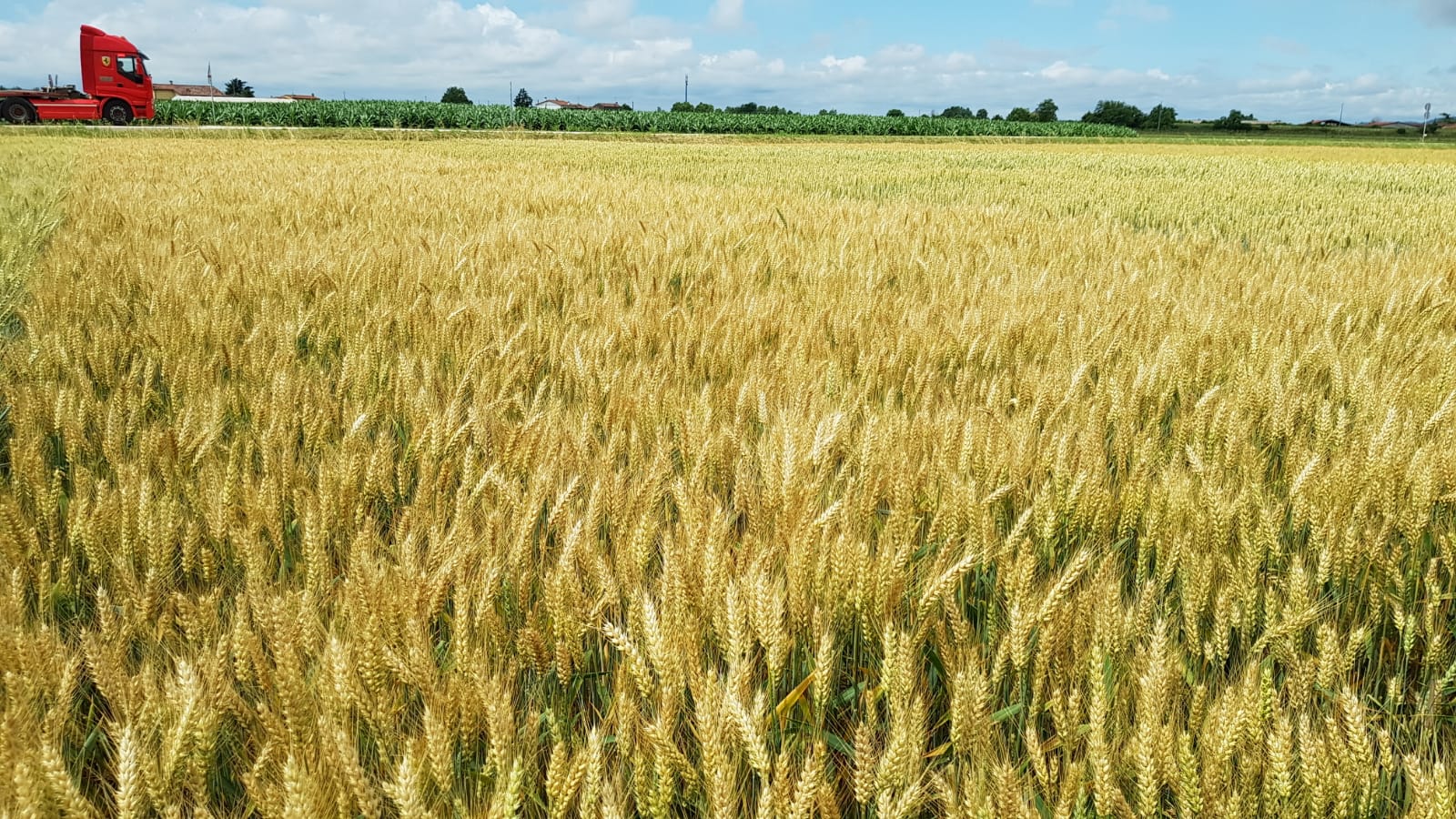
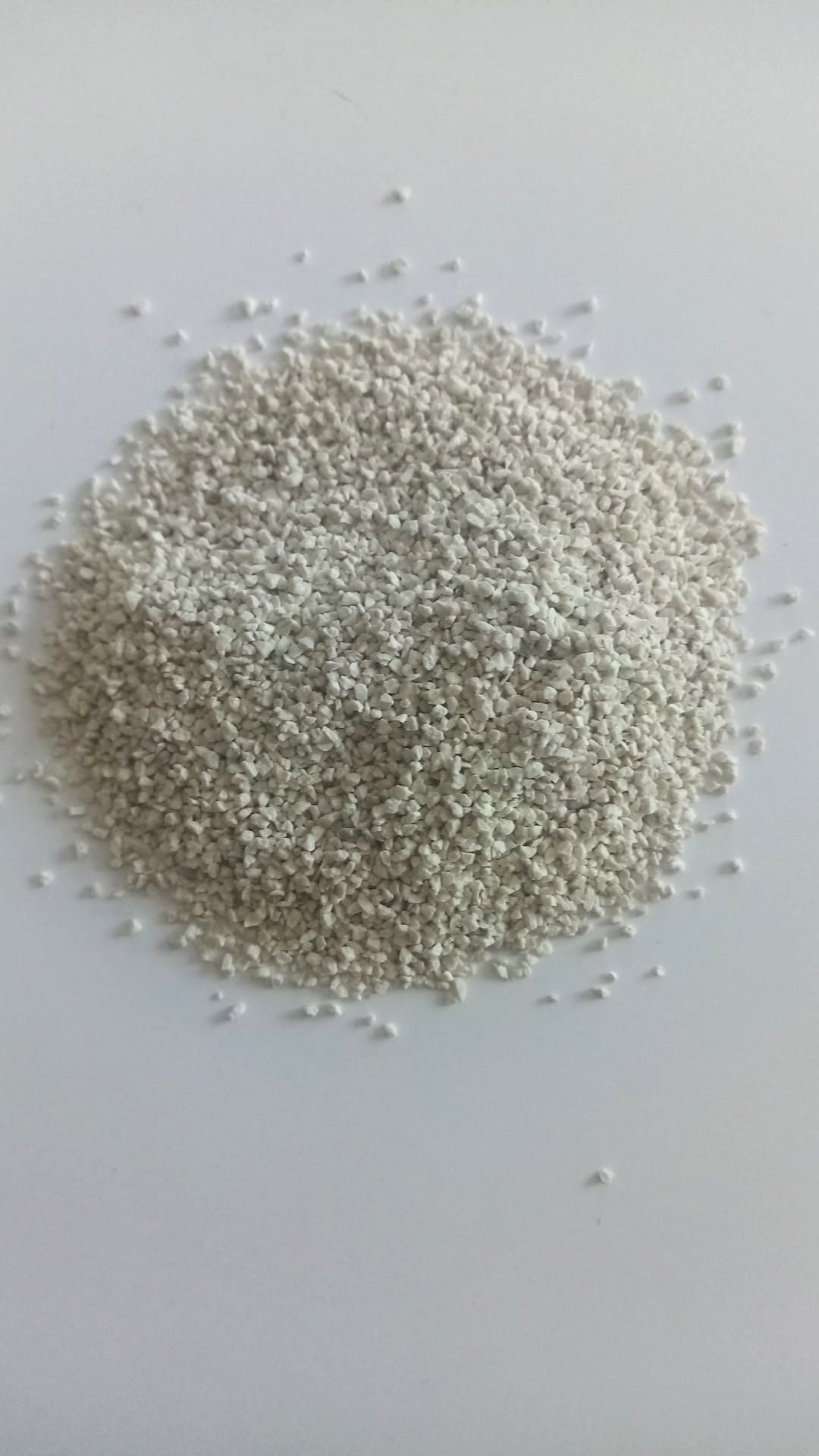
K-Adriatica MICROGRANULI fertilizers (0.8–1.2 mm for field crops/transplants, 1.5–2.2 mm for cereals) offer several advantages:
- Excellent solubility and rapid nutrient release, enhancing the starter effect;
- Uniform particle size and high flowability, essential for precise distribution with seeders and transplanters;
- 100% physical production process (pressing, crushing, sieving), without chemical additives or binders.
These characteristics result in improved crop emergence and root development, ensuring a strong crop start even with reduced fertilizer use per hectare.
How to integrate K-Adriatica microgranules with precision agriculture?
Integration with precision farming tools (sensors, GIS, drones, software) further enhances the benefits of localized fertilization:
- Enables variable rate application, adapting doses to specific field zones;
- Reduces waste and environmental impact;
- Allows continuous monitoring and optimized nutrient strategies year after year, improving nutrient use efficiency (NUE).
What results does localized microgranular fertilization deliver?
Localized fertilization with K-Adriatica microgranules is a key technology for more productive, sustainable, and profitable agriculture. The MICROGRANULES line enables:
Localized fertilization with K-Adriatica microgranules is a key technology for more productive, sustainable, and profitable agriculture. The MICROGRANULES line enables:
- Reduced but targeted application rates;
- Optimized operational timing;
- Reduced waste and environmental impact;
- Vigorous crop establishment and uniform emergence.
When integrated with precision agriculture (sensors, variable rate), this technology contributes to:
- Improved nutrient use efficiency (NUE) and productivity, with reported increases of up to 30% in maize–wheat systems;
- Reduced total fertilizer use, with documented savings of up to 40% while maintaining equal or higher yields, aligned with the EU target of -20% by 2030.
Why are microgranules a strategic choice for modern agriculture?
Localized fertilization with the MICROGRANULES line by K-Adriatica is a comprehensive and strategic solution to address the challenges of European agriculture, combining productivity, sustainability, and competitiveness.
Localized fertilization with the MICROGRANULES line by K-Adriatica is a comprehensive and strategic solution to address the challenges of European agriculture, combining productivity, sustainability, and competitiveness.